HOME / EVENT TYPES / POP-UPS

Pop-up planning and production

Pop-up planning and production

Pop-up planning and production

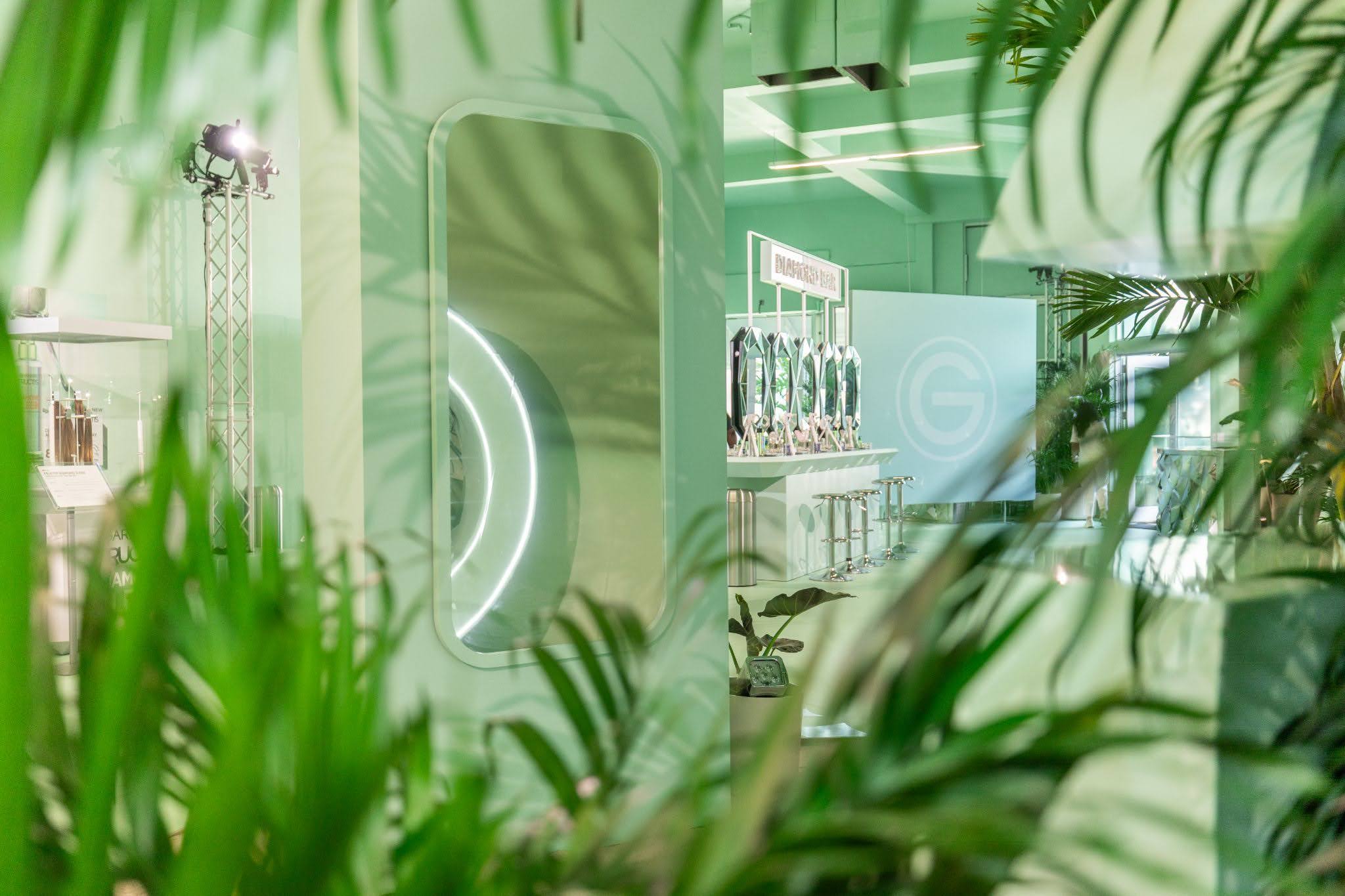
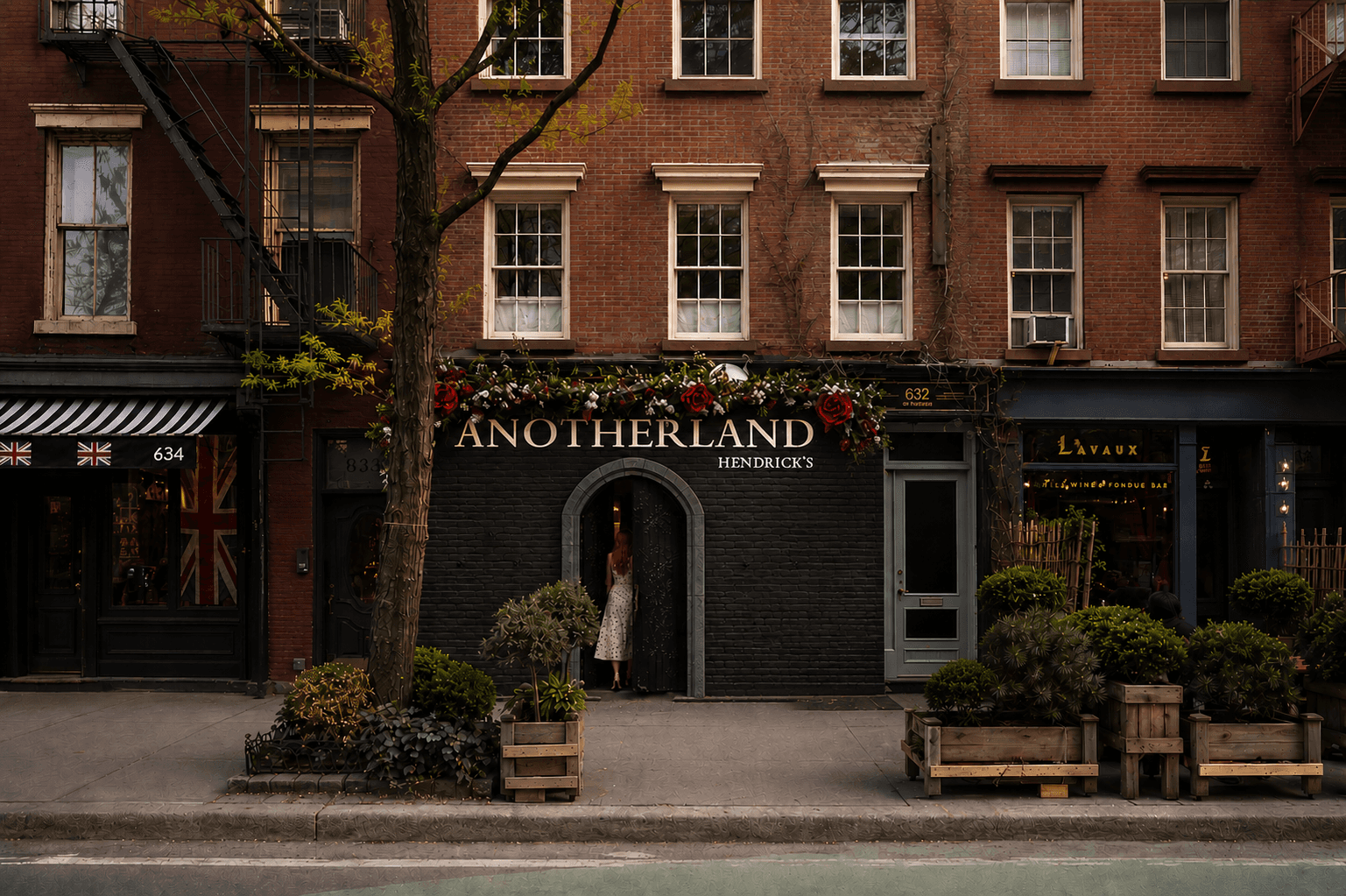
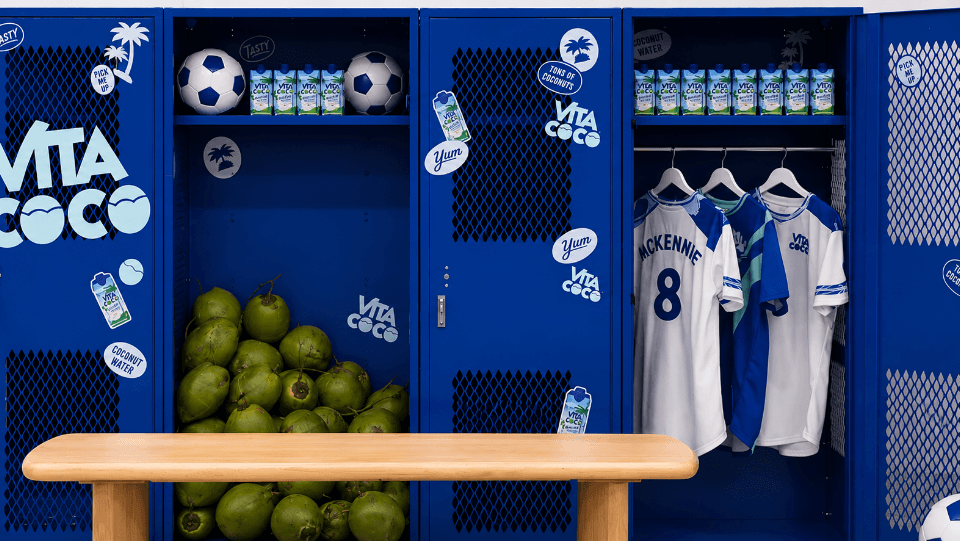
Gradient designs, builds, and measures pop-ups for beauty, spirits, luxury, and lifestyle brands. We start with the audience and the result the brand needs, then choose the site and the experience to match.

Pop-up activation interior

Working With Gradient on Pop-Ups

Working With Gradient on Pop-Ups

We build each pop-up around the product story, the location, and the reason a stranger would walk in.

Designed for Flow and Content

Designed for Flow and Content

Entry, dwell, and exit are planned together, so guests move through the space easily and leave with something to share.

What Makes a Pop-Up Worth the Investment

What Makes a Pop-Up Worth the Investment

The right site, a clear objective, and tracking built in from day one turn a temporary space into measurable results.

Working With Gradient on Pop-Ups

Working With Gradient on Pop-Ups

We build each pop-up around the product story, the location, and the reason a stranger would walk in.

Designed for Flow and Content

Designed for Flow and Content

Entry, dwell, and exit are planned together, so guests move through the space easily and leave with something to share.

What Makes a Pop-Up Worth the Investment

What Makes a Pop-Up Worth the Investment

The right site, a clear objective, and tracking built in from day one turn a temporary space into measurable results.

When a pop-up is the right format

When a pop-up is the right format

A pop-up is a temporary, branded space open to the public or to invited guests for a few days to a few weeks, built to let people experience a product or story in person. It can be a storefront, a vacant unit, a kiosk, a shipping container, or a space inside another venue. A pop-up earns its cost when a brand needs trial, foot traffic, or first-party data in a specific place, or when a launch needs a physical home that press and creators can visit.

Pop-ups are not the answer to every objective. If the goal is a single evening for press, an invited launch event is faster to organize. If the goal is a presence inside a retailer, a retail activation fits better. The table compares the formats brands weigh against a pop-up.

POP-UP COMPARED WITH OTHER EVENT FORMATS

FORMAT

TIME WITH AUDIENCE

STRONGEST AT

MAIN LIMITATION

Pop-up

Days to weeks

Trial, foot traffic, and data capture at scale

Site, permit, and build costs for a short run

Product launch event

A few hours

Press and creator attention in one moment

Reach depends on invitations

Retail activation

Weeks to months

Sales impact inside a retailer

Limited by the retailer’s space and rules

Brand dinner

Two to four hours

Depth with a small group

Small reach

How Gradient plans a pop-up

Our IMPACT architecture works backward from a commercial objective and maps every touchpoint to a metric that can be tracked.

01

Set the objective and the numbers

Agree the result, the metrics, and the baseline before a site is discussed.

02

Choose the site

Match foot traffic, neighborhood, and timing to the audience the brand wants.

03

Design the experience and the flow

Plan entry, dwell, and exit as one journey, with a clear reason to come in.

04

Secure permits and build

Confirm permits, insurance, and fabrication schedules early, since they set the timeline.

05

Run the space

Trained staff, live crowd management, and daily reporting keep the experience consistent.

06

Amplify and measure

Capture content, report against the baseline, and plan what happens next.

Seven decisions that shape a pop-up

Set these decisions in sequence before design begins. Each one protects the next.

01

SITE BEFORE CONCEPT. Foot traffic, visibility, and neighbors shape the design more than the idea does.

02

A REASON TO ENTER. A clear offer or moment at the door sets the pace.

03

CAPACITY AND FLOW. Know how many guests the space holds and how they move through it.

04

STAFF FOR THE EXPERIENCE. Train hosts on the product story and on crowd management.

05

DATA WITH CONSENT. Tell guests what they share and why.

06

PERMITS AND INSURANCE. Signage, occupancy, and event permits vary by city and can set the calendar.

07

SALES AND STOCK. If the space sells product, settle point of sale, inventory, and tax in advance.

FREQUENTLY ASKED QUESTIONS

FREQUENTLY ASKED QUESTIONS

01

WHAT IS A POP-UP?
WHAT IS A POP-UP?

02

HOW LONG SHOULD A POP-UP RUN?

03

HOW LONG DOES IT TAKE TO PLAN A POP-UP?

04

WHAT PERMITS DOES A POP-UP NEED?

05

HOW DO YOU MEASURE A POP-UP?

6

HOW MUCH DOES A POP-UP COST, AND WHAT DOES GRADIENT HANDLE?

Pop-up activation planner

Pop-up activation planner

Answer five questions and get a working plan for your pop-up footprint, staff, lead time, and expected audience flow.

GRADIENT PLANNING TOOL

Pop-up Activation Planner

Objective

Footprint

Duration (days)

Venue

Content mode

Product Launch pop-up at a retail setting with a medium footprint over 3 days, optimized for mixed output.

Estimated staffing: 10 people/day

Recommended lead time: 6 weeks

Estimated daily throughput: 432 visitors

Estimated content outputs: 97 assets total

Unlock full activation blueprint

Review this with Gradient

START WITH A SHORT BRIEF

START WITH A SHORT BRIEF

Six answers are enough for us to scope a pop-up and come back with a recommended approach, a working timeline, and the questions worth settling early. Share the objective, product story, audience, dates, location constraints, and your budget range.

LAST UPDATED SEPTEMBER 2026