K-Beauty Isn’t a Trend. It’s a Community System
K-beauty didn’t globalize because it discovered a miracle ingredient or mastered hype cycles. It spread because it built something far more durable: a shared culture rooted in precision, care, and collective knowledge.
What often gets mislabeled as obsession is, in reality, participation. And what’s quietly misunderstood is how luxurious that participation actually is.
The Broader Context: The Korean Wave, Refined
K-beauty sits within the larger Korean Wave, alongside K-pop, cinema, fashion, and food, but it plays a distinct role. While music and entertainment invite fandom, beauty invites daily practice. It enters people’s lives in intimate, repeatable ways.
Over the past five years, this has accelerated globally, particularly in the U.S., as audiences became more fluent in Korean cultural cues and more receptive to non-Western definitions of value.
What changed wasn’t taste. It was expectation.
A Different Definition of Luxury
In Western beauty, luxury is often signaled through exclusivity, heritage, or price. In K-beauty, luxury shows up differently: through formulation integrity, manufacturing precision, and ritualized care.
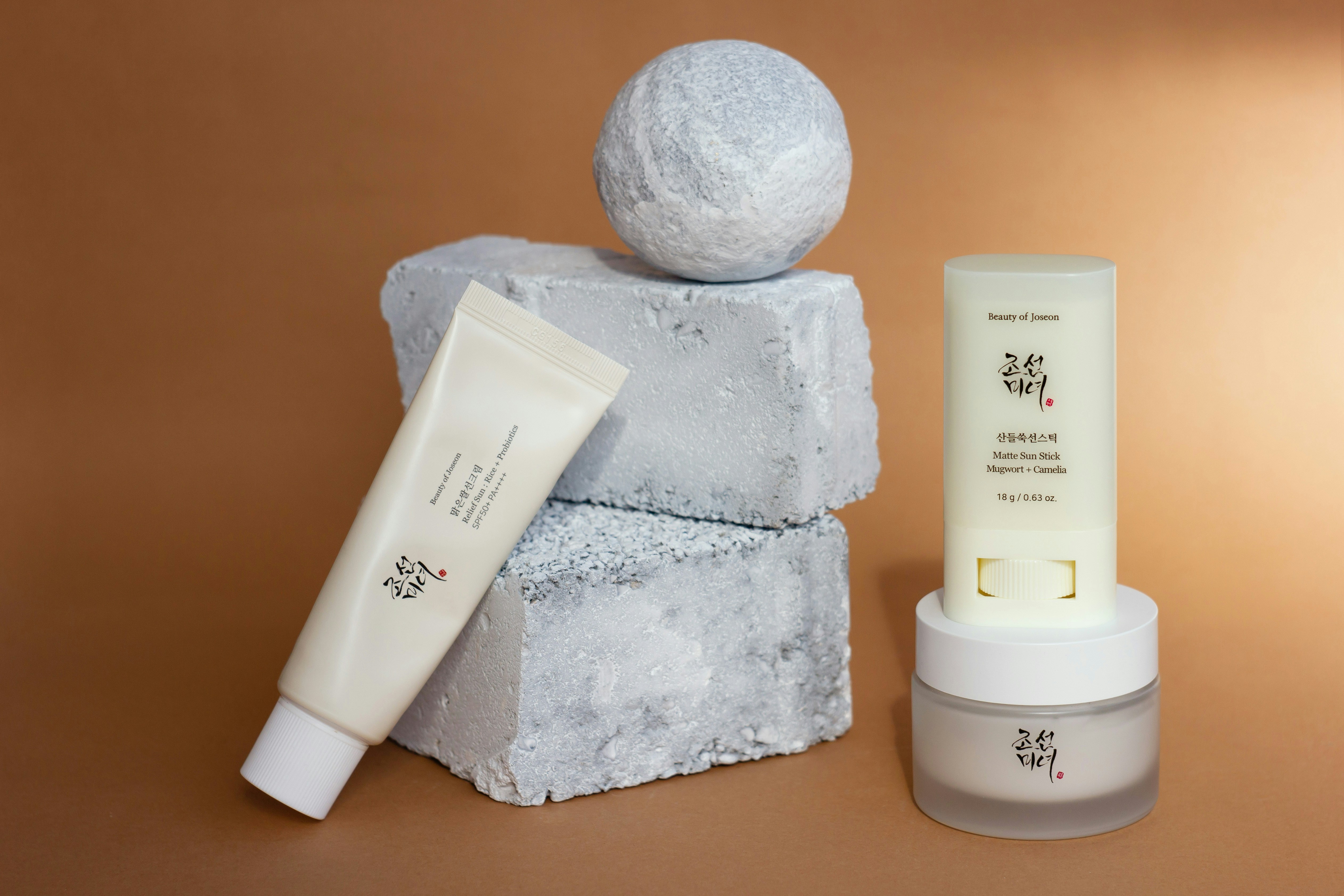
Products are engineered to do one thing exceptionally well. Textures are deliberate. Packaging is restrained. Claims are specific, not theatrical. Progress is gradual—and that’s the point.
This is a form of luxury that rewards patience, literacy, and attention. You don’t just buy into it. You learn it.
Precision Creates Trust
K-beauty’s emphasis on ingredient transparency and skin health reframes the consumer relationship. Users are encouraged to understand what they’re using, why it works, and how it fits into a broader system.
That knowledge-sharing, amplified across platforms like TikTok and YouTube, isn’t noise. It’s infrastructure.
When people trade routines, explain formulations, or compare textures, they’re reinforcing a collective standard. That shared discernment is what elevates the experience. Luxury becomes earned, not signaled.
Community as the Real Status Symbol
Every strong community develops its own language. In K-beauty, terms like glass skin, skin barrier, or essence operate as cultural shorthand. Knowing them doesn’t make you elite, but it does make you fluent.
That fluency creates belonging. And belonging, more than aspiration, is what sustains engagement.
This is where K-beauty mirrors the broader Korean Wave: fans don’t just consume culture, they co-author it. They translate, test, refine, and redistribute knowledge. The community becomes the credibility engine.
Why This Resonates Now
In a landscape saturated with marketing promises, K-beauty offers something quieter and more confident. It doesn’t rush outcomes. It doesn’t oversell transformation. It trusts the user to notice the difference.
That restraint reads as premium. That consistency reads as care.
And care, when practiced collectively, is powerful.
The Takeaway
K-beauty didn’t scale because it chased attention. It scaled because it built a system where quality, precision, and participation reinforced one another.
What looks like a skincare movement is, in fact, a lesson in how modern culture is built: through shared rituals, educated communities, and a form of luxury that feels personal, intentional, and quietly rigorous.
Once that foundation is in place, the products don’t need to shout.
The community does the work.