Credibility Is the New Reach
What Oura Ring Taught Us About Modern Marketing
- Pauline Oudin, CEO
For a long time, marketing equated growth with visibility.
More impressions. More frequency. More noise.
But some of the most influential brands of the last decade didn’t grow by being everywhere. They grew by being believable.
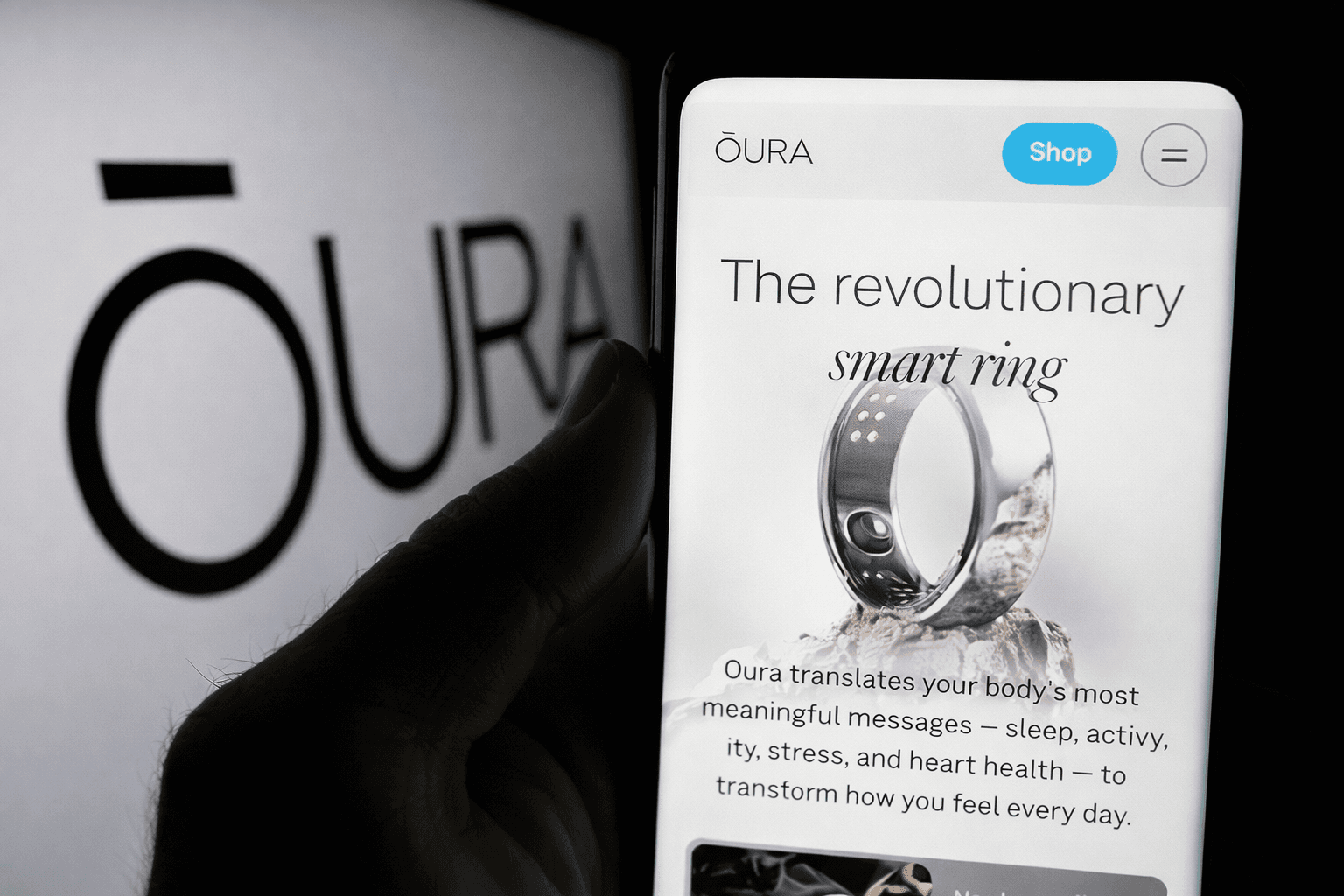
One of the clearest examples is Oura Ring.
Oura didn’t arrive with mass-market campaigns or a push for instant cultural dominance. It entered quietly; through athletes, researchers, wellness professionals, and people who cared deeply about understanding their bodies. Long before it was recognizable, it was trusted.
That trust came first. Awareness followed later.
Experience Before Exposure
What made Oura work wasn’t just the product, it was the experience of using it.
The ring didn’t shout for attention. It didn’t gamify performance. It didn’t flood users with notifications. Instead, it offered something more intimate: interpretation. Context. Long-term understanding.
That experience became the proof.
People didn’t recommend Oura because they were told to. They shared it because it changed how they thought about their own health. The experience itself did the convincing.
This is something we see over and over again in experiential marketing:
When the experience is credible, the marketing doesn’t have to overcompensate.
Creator Marketing Isn’t About Virality. It’s About Translation.
Oura’s growth accelerated when creators entered the picture, but not in the way most brands think about creator marketing.
They didn’t use creators to “make the product viral.”
hey used creators to translate meaning.
Sleep scientists explained why certain metrics mattered.
Athletes contextualized recovery data in real life.
Founders and wellness practitioners showed how insights changed their behavior over time.
Each creator spoke to a different audience, in a different language, from a different point of authority.
That’s the real power of creator marketing today: not reach, but cultural interpretation.
Creators don’t just distribute messages.
They help people understand why something matters, in ways brands can’t credibly do on their own.
Credibility Scales Differently Than Attention
When the pandemic hit, Oura didn’t need to reinvent its messaging. The world simply caught up to what the product already stood for: care, recovery, long-term health.
That moment revealed something important:
Credibility compounds.
If your experience is sound, if your product earns trust in small circles first, expansion doesn’t feel forced later. It feels earned.
This is why celebrity adoption worked for Oura without being loud. It wasn’t endorsement-driven hype. It was quiet signal reinforcement.
People noticed because the brand had already proven itself.
What This Means for Brands Today
We’re seeing a shift across industries; from beauty to tech to retail to corporate experiences.
Brands are no longer judged by what they say.
They’re judged by what people experience, repeat, and reinterpret.
At our agency, this is why we’re leaning so heavily into:
Designing experiences that demonstrate value, not explain it
Building creator ecosystems, not one-off influencer moments
Treating creators as cultural translators, not amplification tools
Different creators reach different audiences, but more importantly, they unlock different understandings. That’s where meaning lives. And meaning is what lasts.
And when that translation works, something else happens: the brand becomes cultural infrastructure, not just a product.
Culture Outlasts Product Parity
Today, Oura is no longer the only ring.
There are competitors. Lookalikes. Copycat features. Similar dashboards. Similar metrics.
From a purely functional perspective, the category is no longer unique.
And yet, people still buy Oura.
Not because it’s the only option, but because it’s the cultural reference point.
Oura didn’t just create a product category. It created a culture of meaning around recovery, self-awareness, and long-term health. A language. A way of interpreting the body. A community of shared understanding.
So when alternatives appear, consumers don’t evaluate them purely on specs. They evaluate them on belonging.
This is what brands often miss:
People don’t stay loyal to products.
They stay loyal to identity, trust, and narrative.
Once a brand becomes the cultural anchor, competitors aren’t perceived as equals—they’re perceived as substitutes. And substitutes rarely carry the same emotional gravity.
That’s why Oura’s relevance persists even in a crowded market.
Because it’s not just a device.
It’s a symbol of how people relate to their health.
The New Equation
Experience builds credibility.
Credibility fuels creator translation.
Creator translation drives relevance.
Attention may still open the door, but experience is what makes people stay.
And the brands that understand that won’t need to shout to be heard.


