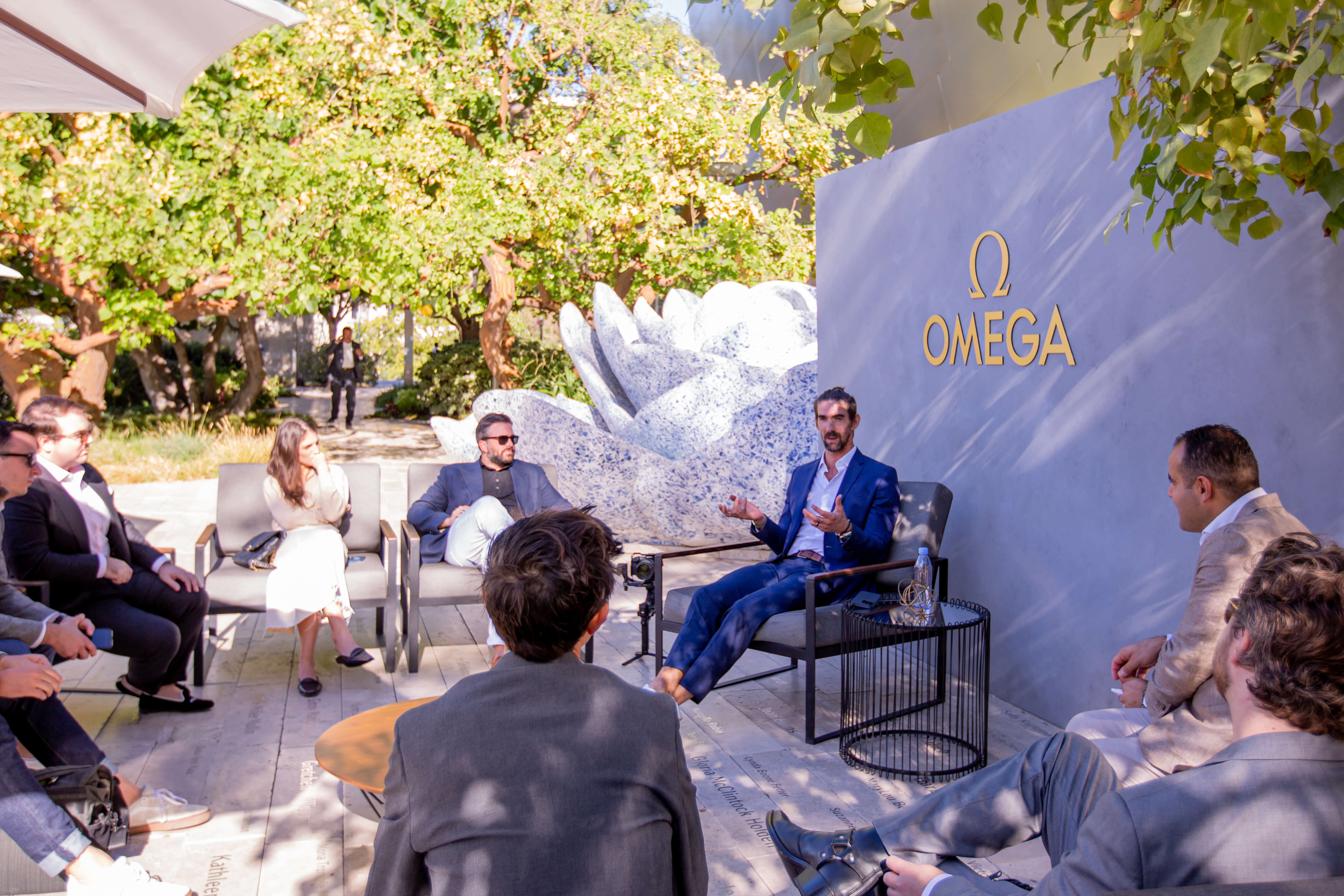
Experiential Marketing for Internal Alignment
In complex organizations, alignment is rarely a messaging problem — it is an experience problem.
Corporate leaders increasingly recognize that internal alignment cannot be achieved through slide decks, email campaigns, or intranet updates alone. Culture, strategy, and organizational clarity are reinforced through shared experiences.
Experiential marketing has evolved into a powerful internal alignment tool for enterprise organizations seeking to unify teams, accelerate transformation, and strengthen culture.
Why Internal Alignment Has Become a Strategic Priority
As companies grow, alignment challenges compound:
Mergers and acquisitions
Rapid hiring cycles
Remote and hybrid workforces
Strategic pivots
Leadership transitions
Without deliberate alignment initiatives, organizations risk:
Message fragmentation
Cultural drift
Strategy misinterpretation
Reduced employee engagement
Internal experiential programs address these risks directly.
The Shift from Communication to Immersive Alignment
Traditional internal communications focus on delivering information.
Experiential internal strategy focuses on:
Embedding shared narratives
Reinforcing strategic priorities
Creating emotional resonance
Enabling cross-functional interaction
Making strategy tangible
Experiences shape memory. Memory shapes behavior.
Common Internal Experiential Models Used by Corporate Brands
1. Annual Leadership Summits
Executive-level gatherings designed to:
Clarify strategic direction
Align senior stakeholders
Cascade unified messaging
When thoughtfully designed, these events define the tone for the entire fiscal year.
2. Company-Wide Kickoffs
Experiential kickoffs establish:
Vision clarity
Cultural priorities
Recognition moments
Performance expectations
The physical environment, storytelling, and staging matter as much as the content itself.
3. Post-Merger Integration Events
Experiential design can accelerate cultural integration following M&A activity by:
Reinforcing shared values
Introducing leadership teams
Creating collaborative environments
Reducing organizational friction
4. Transformation & Change Management Experiences
When companies undergo strategic shifts — new product focus, market repositioning, operational restructuring — experiential environments help translate abstract strategy into lived reality.
Why Experiential Design Matters for Internal Strategy
Internal events are often treated as logistical exercises.
However, high-performing organizations approach them as strategic design challenges:
What behaviors must change?
What narrative must be reinforced?
What cross-functional relationships must strengthen?
What emotional tone must leadership set?
The design of the experience — staging, content flow, visual language, executive participation — determines whether alignment is achieved.
Measuring Internal Alignment Outcomes
While internal experiential ROI differs from consumer activations, it can be measured through:
Employee engagement scores
Cross-functional collaboration metrics
Post-event sentiment analysis
Strategy comprehension surveys
Retention rates
Internal communication clarity indicators
When structured strategically, internal experiential programs influence both culture and performance.
The Risk of Under-Designed Internal Experiences
Corporate organizations often invest heavily in external brand experiences while underinvesting in internal alignment environments.
Poorly designed internal events can:
Dilute strategic messaging
Reinforce silos
Undermine leadership credibility
Create disengagement
Alignment cannot be improvised.
The Future of Corporate Experiential Marketing
In 2026 and beyond, leading corporate brands increasingly view experiential marketing not only as a customer-facing discipline — but as a core internal leadership tool.
As organizations grow more distributed and complex, immersive internal environments will continue to serve as catalysts for:
Strategic clarity
Cultural cohesion
Leadership trust
Organizational momentum
For corporate leaders, experiential strategy is no longer confined to external audiences — it is a foundational lever for internal alignment.



