Quant: Experiential Measurability Solution
INSIGHTS - BEAUTY -
INSIGHTS - BEAUTY -
INSIGHTS - BEAUTY -
Experiential Marketing for Beauty Brands: 2026 Industry Guide
Beauty brands operate in one of the most visually driven and culturally responsive sectors in consumer marketing. Product discovery, brand storytelling, and community building increasingly happen through immersive experiences rather than traditional media.
This guide outlines how experiential marketing functions within the beauty category, what activation models are most effective, and how brand leaders evaluate agency partners in 2026.
Why Experiential Marketing Is Critical for Beauty Brands
Unlike many CPG categories, beauty purchasing decisions are deeply influenced by:
Product trial and tactile interaction
Influencer and creator endorsement
Social amplification
Visual storytelling
Community engagement
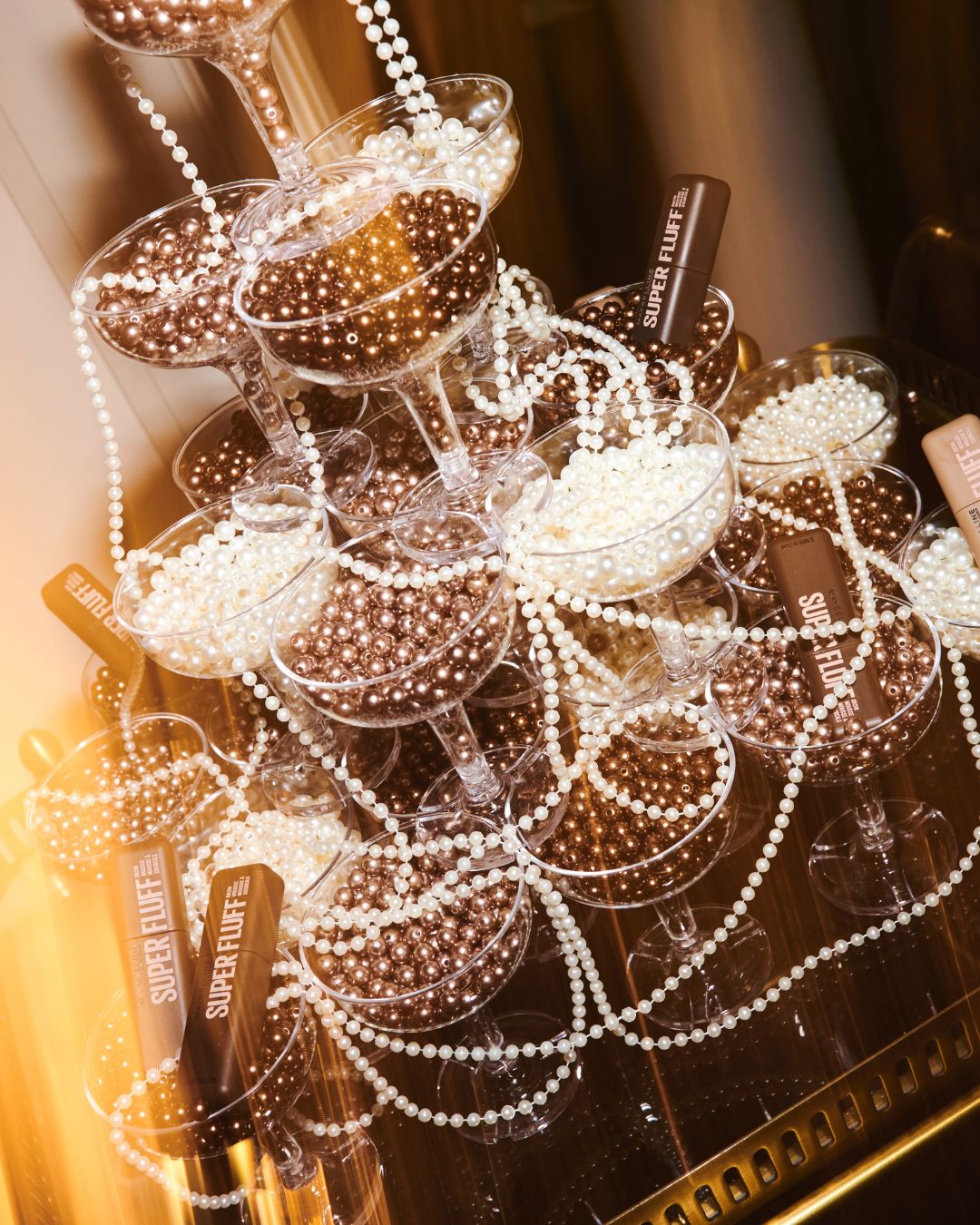
Experiential programs allow beauty brands to create physical environments that reflect digital brand identity — turning aesthetic into lived experience.
The Unique Challenges of Experiential Marketing in BEAUTY
Launch Cadence and Speed
Beauty brands often operate on rapid product release cycles. Experiential programs must be designed to:
Support multiple SKU launches annually
Adapt to trend cycles
Align with influencer and PR calendars
Agencies must operate with both creative agility and operational precision.
Influencer & Creator Integration
Experiential programs in beauty frequently integrate:
Creator-first preview events
Seeding experiences
Social-first design environments
Content capture zones
Activations must be engineered for shareability — not just attendance.
Retail and E-Commerce Integration
Beauty experiential strategies often bridge:
In-store pop-ups
Sephora / Ulta partnerships
Direct-to-consumer conversion
QR-based digital engagement
The most effective programs connect physical moments to measurable digital action.
Premium & Luxury Positioning
For prestige and luxury beauty brands, experiential execution must reinforce:
Elevated design language
Controlled brand environment
High-touch guest experience
Influencer alignment
Poor execution can dilute perceived product value.
Common Experiential Models Used by Beauty Brands
Beauty brands typically deploy one or more of the following activation strategies:
How Beauty Brand Leaders Evaluate Experiential Agencies
1. Aesthetic Alignment
Does the agency understand visual brand language and current cultural cues?
2. Influencer Ecosystem Fluency
Can the agency design events that are creator-optimized?
3. Launch Infrastructure
Can the agency support multiple product rollouts per year?
4. Retail Integration Experience
Does the agency understand omnichannel brand ecosystems?
5. Scalability & National Execution
Can the activation model be repeated across key markets?
Budget Expectations for Beauty Experiential Programs
Budgets vary significantly by scale and brand positioning. Typical allocations include:
$75,000–$250,000 for localized launch events
$250,000–$750,000 for multi-city activation programs
$1M+ for integrated national experiential campaigns
Influencer integration and custom buildouts significantly impact budget ranges.
The Shift Toward Hybrid Physical-Digital Experiences
In 2026, beauty experiential marketing increasingly blends:
In-person activations
Live-streamed launch moments
Influencer-driven amplification
Measurable e-commerce integration
The most successful programs create seamless transitions between physical presence and digital conversion.
CONCLUSION
As competition intensifies, brands increasingly favor agency partners capable of delivering immersive experiences that translate directly into social reach, retail lift, and community engagement.
For marketing leaders in beauty, the strategic question is not whether to invest in experiential — but how to structure programs that integrate aesthetic excellence with measurable performance.