Dwell Time Is the Metric the Industry Refuses to Take Seriously
Most post-event reports lead with impressions. Reach. Total attendees. The numbers that are easy to produce and easy to present in a deck.
None of them tell you whether the experience worked.
The metric that does, the one that is hardest to manufacture and most honest about whether something landed, is dwell time. Not how many people came. How long they chose to stay.
Attendance can be papered. Press can be placed. Impressions can be bought. How long a real person chooses to remain inside a brand world, after they have already seen the thing, after the novelty has passed, is the signal nobody can forge.
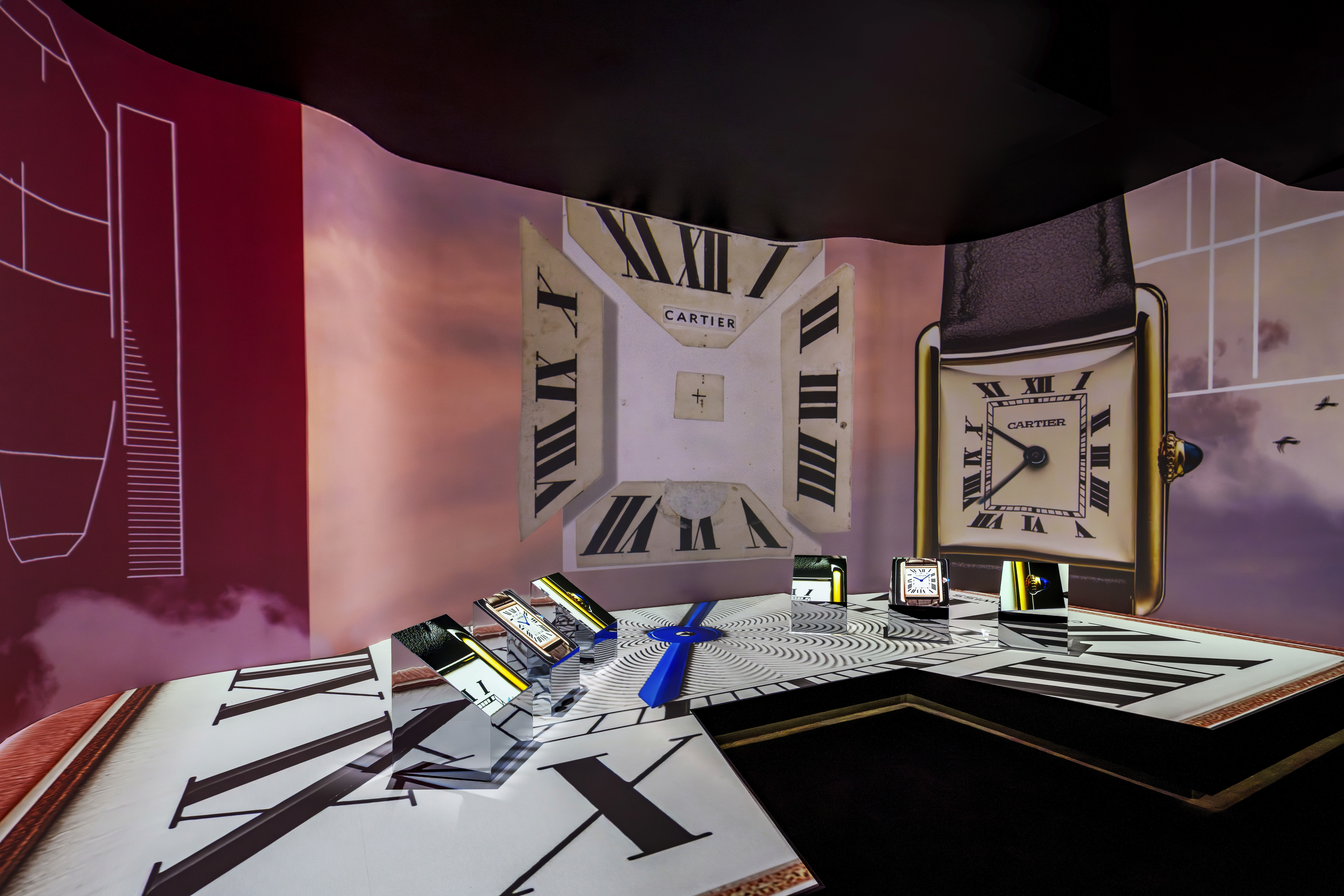
We watched this play out inside Hendrick's Anotherland. Guests who planned to attend for ten minutes stayed for forty. We saw the same pattern inside The Macallan TIME : SPACE experience. In both cases, extended dwell was not a side effect of the design. It was the goal. Every room, every reveal, every pacing decision was reverse-engineered from that number.
Across our beauty activation data, the highest-performing pop-up in our portfolio averaged 29 minutes of dwell time against a category average of 22. That seven-minute gap produced a fourfold difference in engagement. Seven minutes is not a rounding error. It is the difference between someone who passed through and someone who was changed by what they saw.
Extended dwell time does not have a standard name yet in this industry. It probably should. Because the absence of distraction — the silence of a room that is completely absorbed, is still the hardest thing to manufacture and the most valuable signal a brand can earn.
If your post-event report does not include how long people stayed, ask yourself what you are actually measuring.