HOME / EVENT TYPES / CORPORATE CONFERENCES


A corporate conference is a planned gathering of employees, investors, clients, or industry peers, usually one to three days, with speakers, sessions, and networking built around a shared business purpose. Formats include investor conferences, editorial forums, company meetings, town halls, and national sales meetings. A conference earns its cost when leadership needs alignment, when an audience needs direct access to executives or ideas, or when the content will be reused across a company’s channels.
Conferences are not the answer to every objective. If the message is short and internal, a town hall is faster and cheaper. If the audience is spread across many time zones, a virtual event may reach more people. The table compares the formats organizations weigh against a full conference.
CORPORATE CONFERENCE COMPARED WITH OTHER FORMATS
TIME WITH BRAND
STRONGEST AT
MAIN LIMITATION
Corporate conference
One to three days
Program depth, access to speakers, and networking
Highest production and logistics demands
Town hall or all-hands
A few hours
Aligning employees on strategy
Limited networking, and a mostly one-way format
Virtual event
Hours to days
Reach and low travel cost
Weaker connection and attention
FEATURED CONFERENCES AND COMPANY MEETINGS
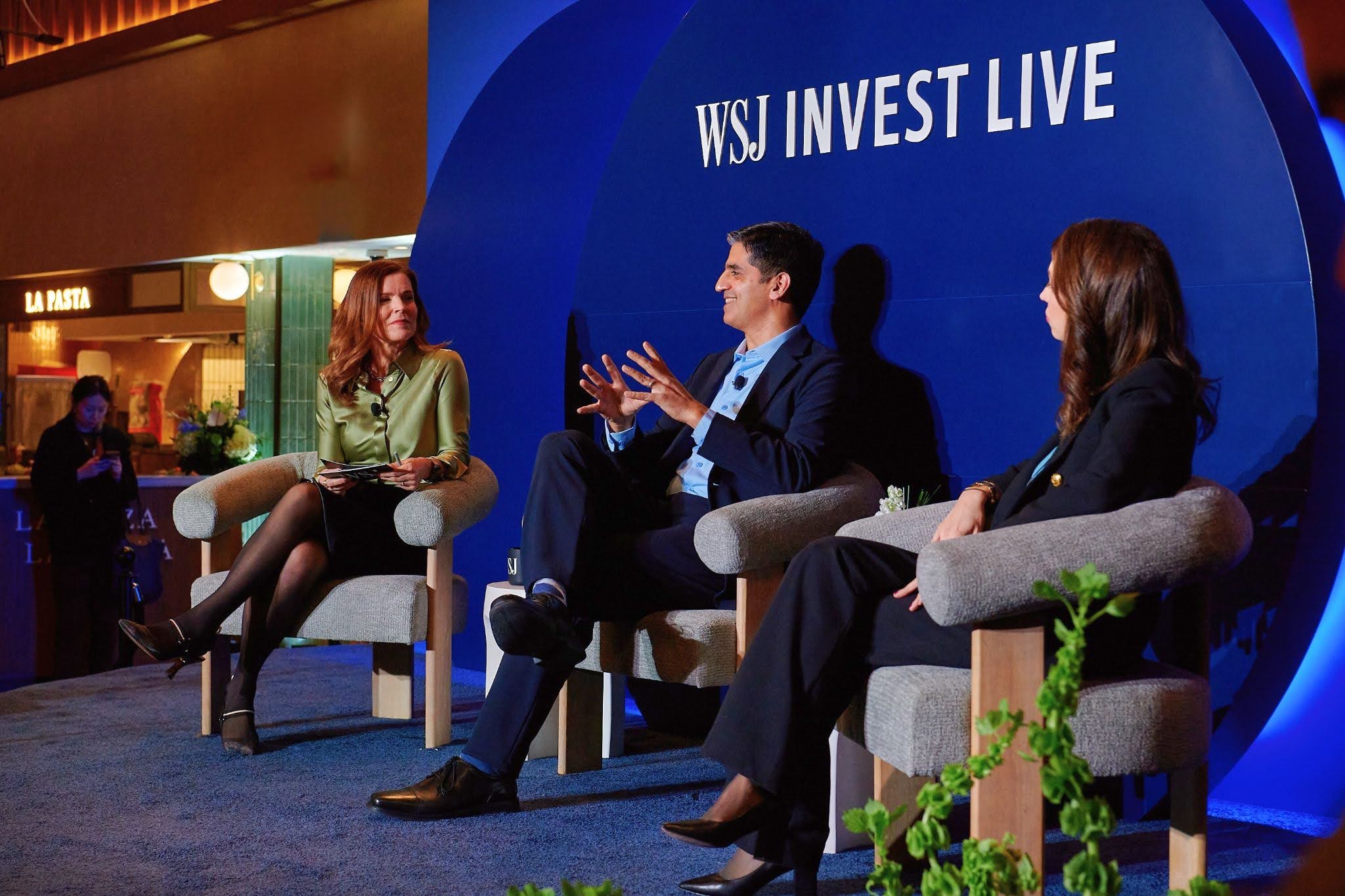

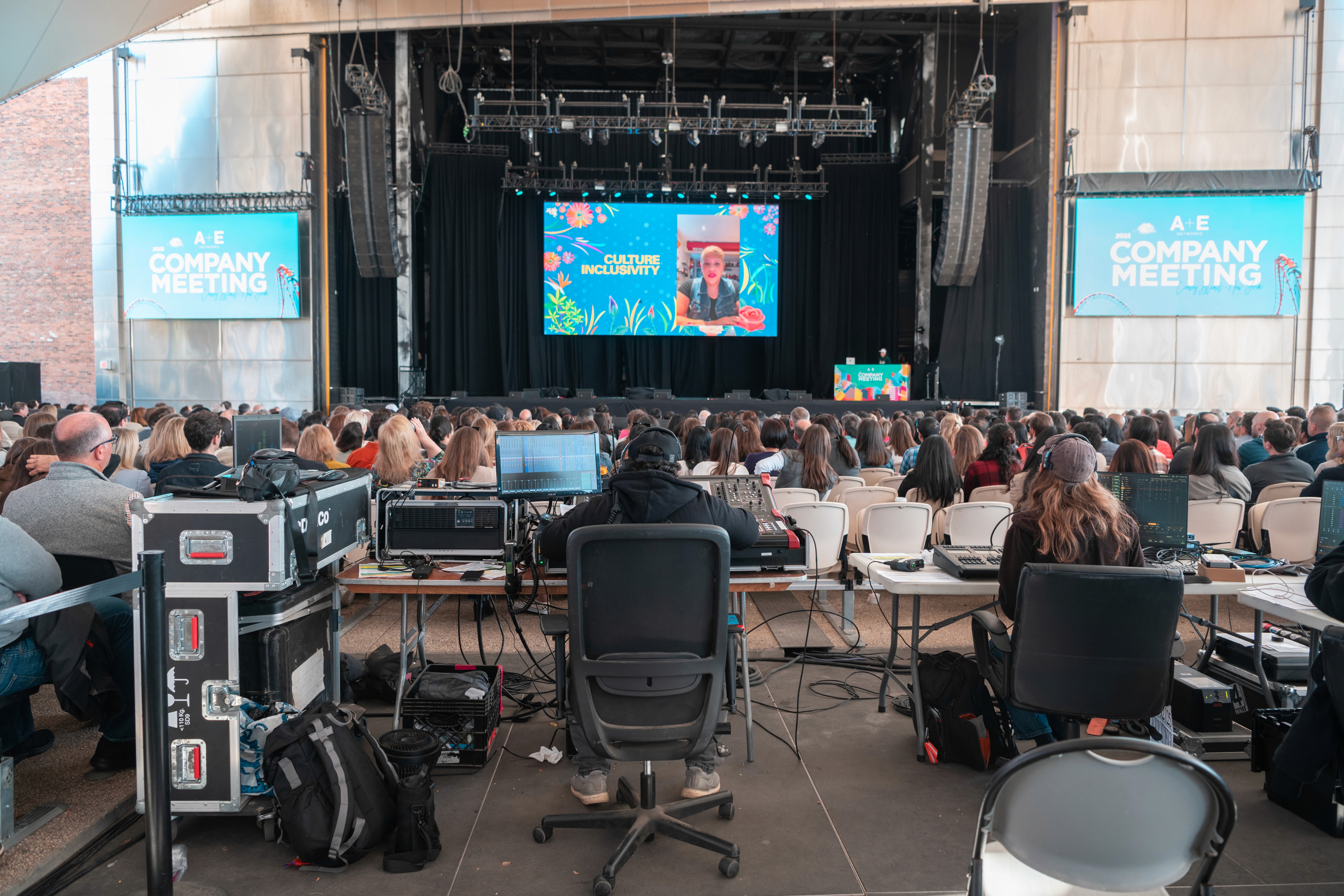

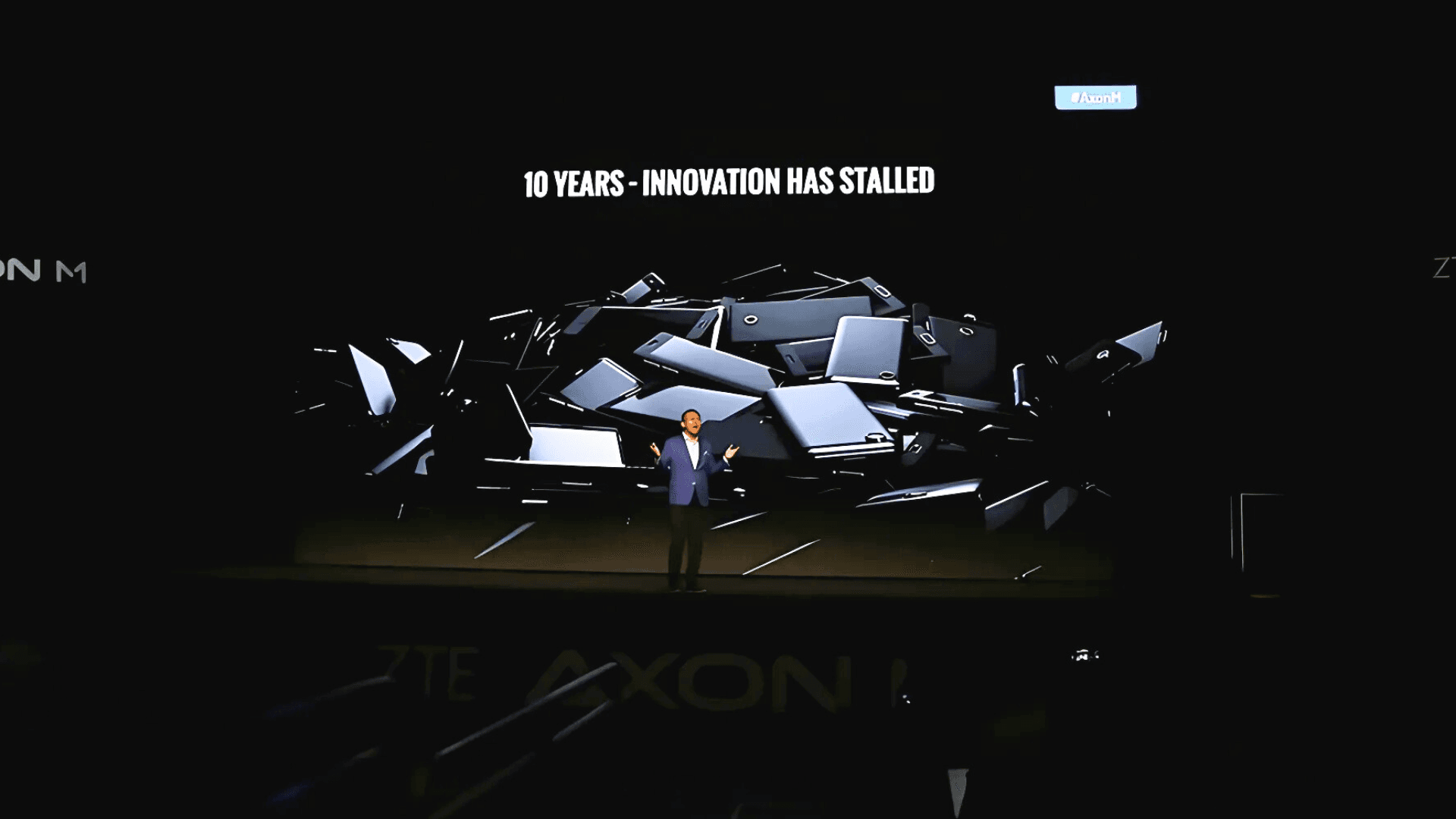

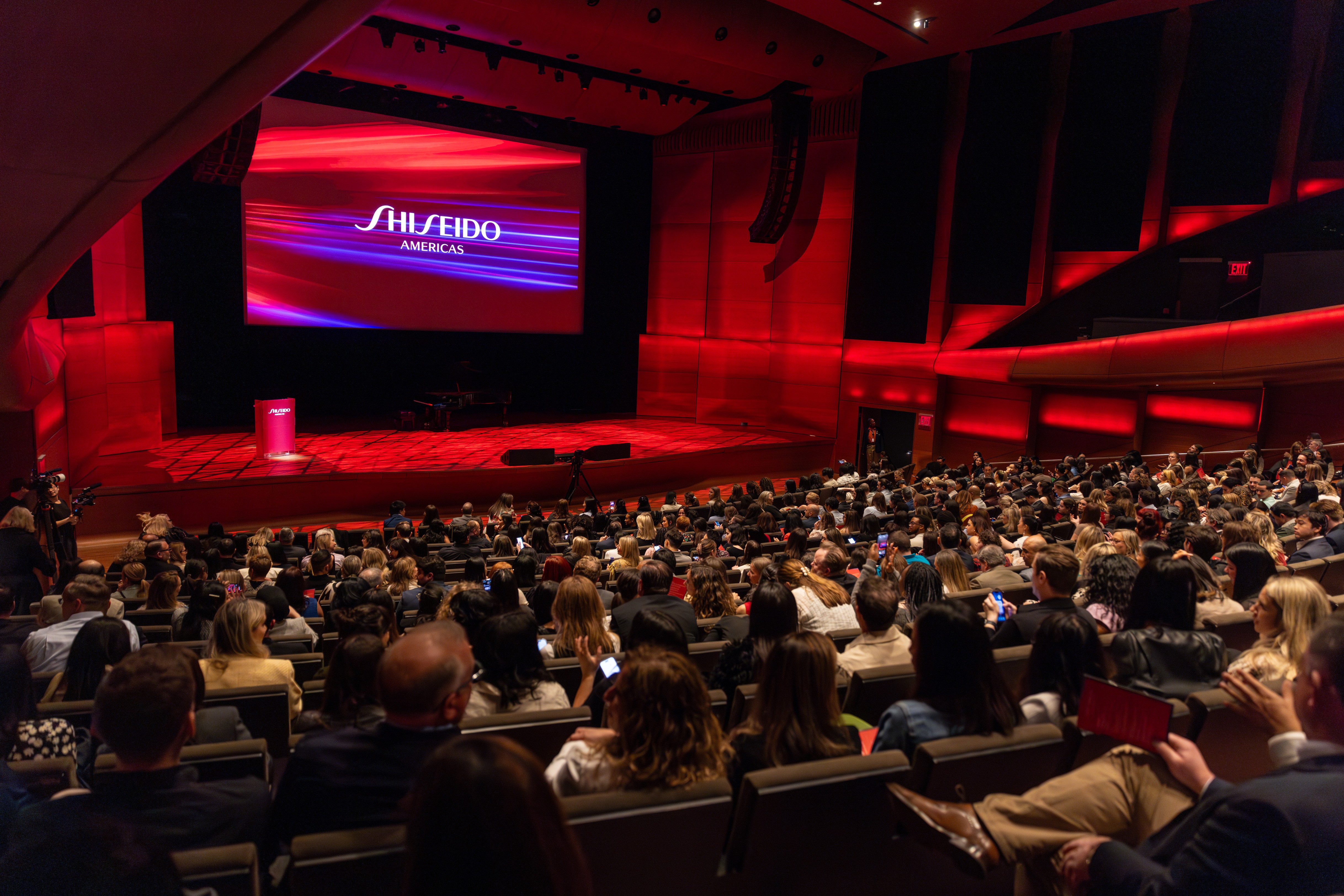





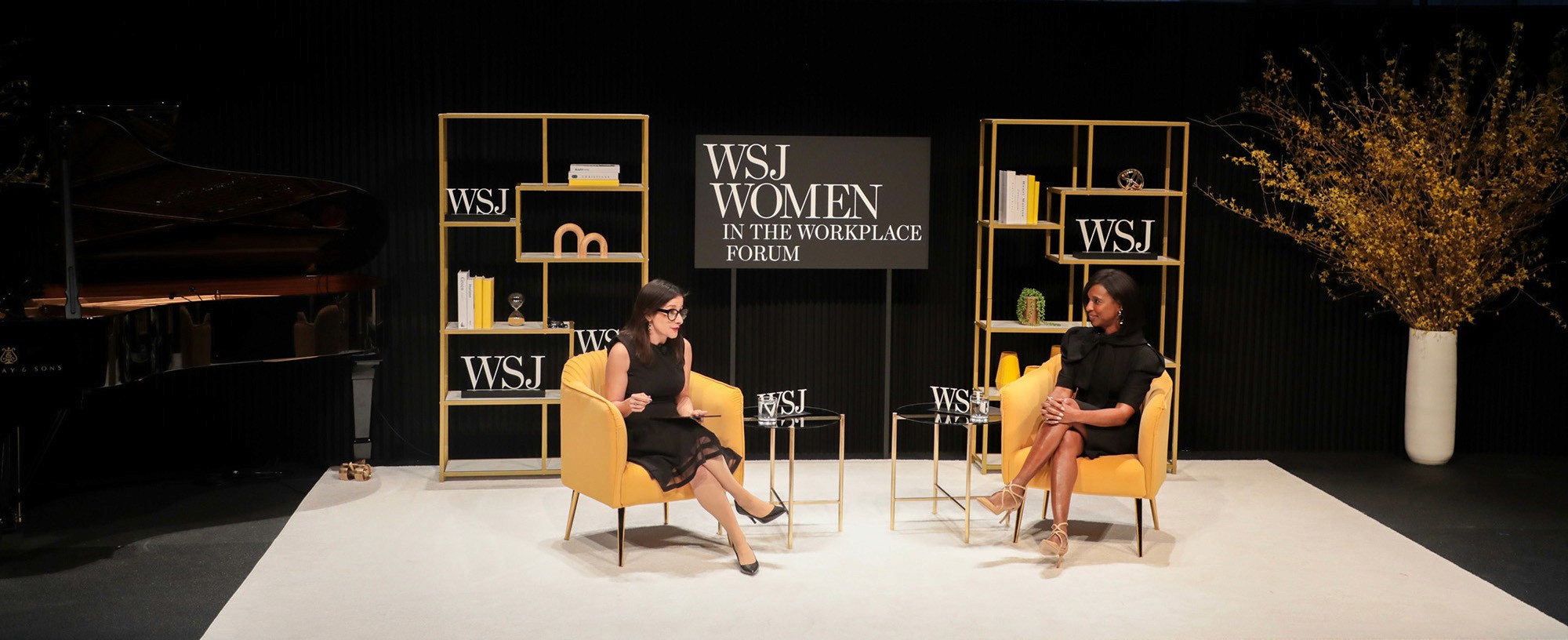


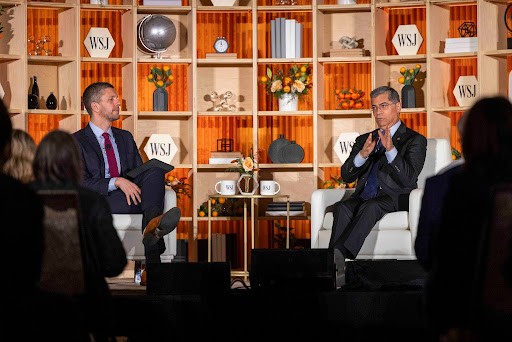



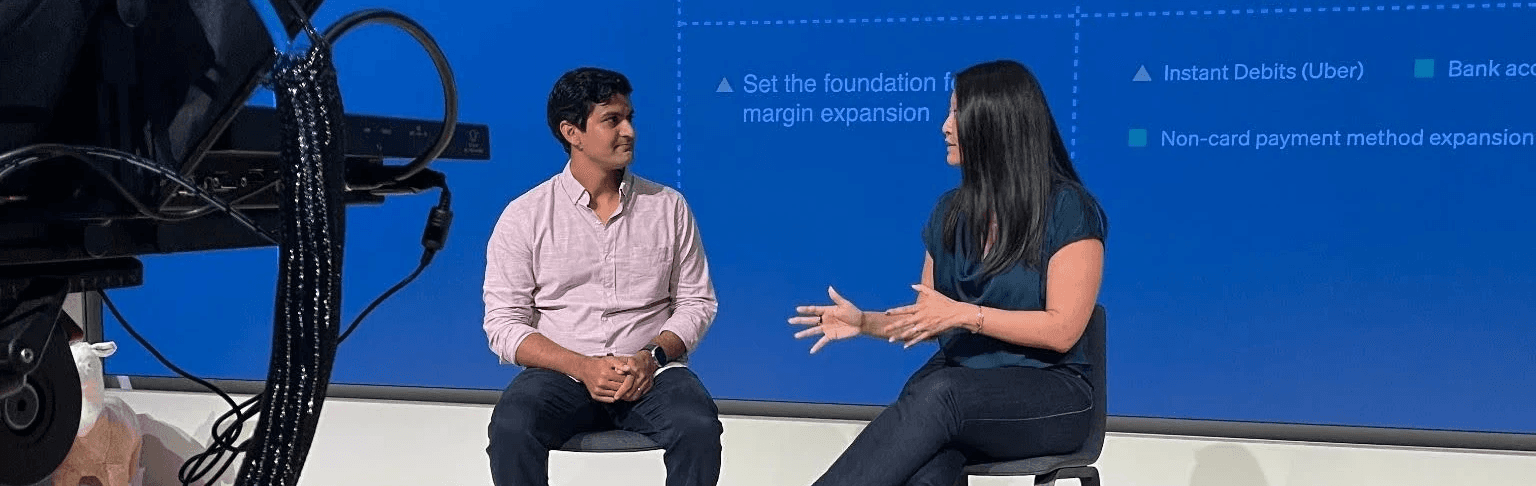


Our IMPACT architecture works backward from a commercial objective and maps every touchpoint to a metric that can be tracked.
01
Set the objective and the numbers
Agree what attendees should think, decide, or do afterward, and how it will be tracked.
02
Design the program
Build the agenda, speakers, and session formats around the objective, with realistic timing.
03
Plan venue, flow, and experience
Choose spaces, signage, and attendee movement so the day runs on time.
04
Produce content and AV
Plan staging, camera, livestream, and recording together, including reuse after the event.
05
Run the event
A producer, stage manager, and guest teams keep speakers, tech, and attendees on schedule.
06
Report and reuse
Share attendance, engagement, and satisfaction results, then repurpose the recorded content.
Set these decisions in sequence before the agenda is locked. Each one protects the next.
01
PURPOSE BEFORE AGENDA
Every session should serve the objective.
02
SPEAKER PREPARATION
Brief and rehearse speakers with their slides and cues.
03
VENUE AND FLOW
Sightlines, room turns, and transit between sessions decide the pace.
04
PRODUCTION AND AV
Budget for staging, sound, and content capture from the start.
05
IN-ROOM AND REMOTE
Decide who attends remotely and design for them, not around them.
06
ACCESSIBILITY
Plan accessible seating, captioning, dietary needs, and communications.
07
CONTENT REUSE
Agree recording rights and distribution before the event.
FREQUENTLY ASKED QUESTIONS
Six answers are enough for us to scope a conference and come back with a recommended structure, a working timeline, and the questions worth settling early. Share the objective, audience, dates, location, format, and your budget range.
LAST UPDATED SEPTEMBER 2026